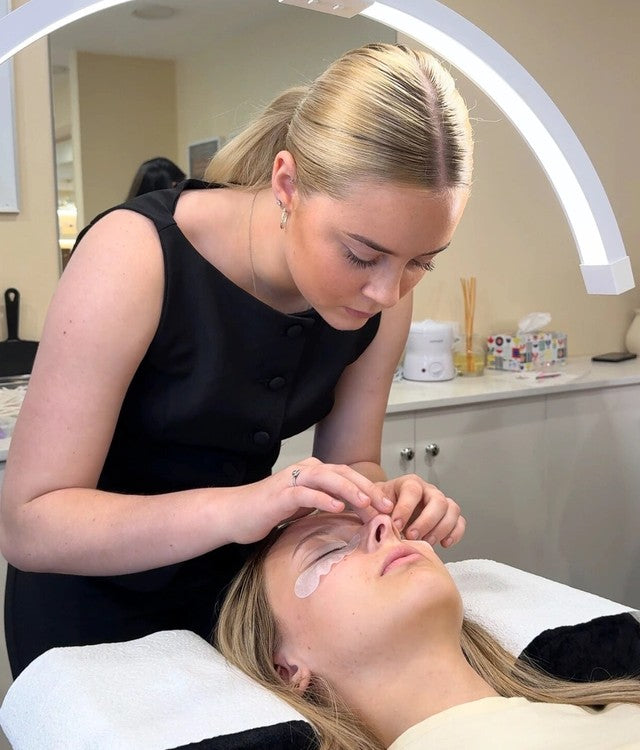
How to Become a Cosmetic Tattoo Artist in NSW
How to become a cosmetic tattoo artist in NSW starts with the right training, a strong understanding of hygiene, realistic practice expectations and careful checks around council, insurance and business requirements. Cosmetic tattooing is an advanced beauty pathway because it involves skin, pigment, client suitability, healing, aftercare and professional responsibility.
Lash & Brow Avenue Academy supports students exploring cosmetic tattoo training in Sydney, Liverpool, South West Sydney, NSW and online. This guide explains the main steps students should understand before choosing a cosmetic tattoo course NSW, PMU course Sydney or permanent makeup course Australia pathway.

Quick Answer
To become a cosmetic tattoo artist in NSW, start by learning the foundations of cosmetic tattooing through professional training. Students may choose a pathway such as brow tattooing, ombré brows, powder brows, nano hair strokes, combination brows, lip blush or eyeliner tattoo.
You should also understand NSW skin penetration hygiene expectations, client consultation, aftercare, infection control, local council requirements, insurance, business setup and ongoing practice. NSW Health explains that skin penetration procedure requirements apply to businesses carrying out procedures involving skin penetration, including tattooing and cosmetic tattooing.
Training can support your pathway, but it does not guarantee client readiness, legal readiness, bookings, employment, income or business success. Students should always check current course details and confirm professional obligations with the relevant NSW authority, local council and insurer before offering services.
What Does a Cosmetic Tattoo Artist Do?
A cosmetic tattoo artist performs cosmetic tattoo or PMU services designed to enhance features such as brows, lips or the lash line. Common services may include brow tattooing, ombré brows, powder brows, nano hair strokes, combination brows, lip blush and eyeliner tattoo.
Cosmetic tattooing is different from temporary makeup because pigment is placed into the skin. This means students need to learn more than design. They need to understand skin, suitability, consultation, hygiene, technique, aftercare and healing expectations.
A cosmetic tattoo artist may need to understand:
|
Skill Area |
Why It Matters |
|
Consultation |
Helps identify client goals, suitability and expectations |
|
Brow, lip or eyeliner design |
Supports balanced and personalised cosmetic results |
|
Skin awareness |
Helps students understand why skin type and condition matter |
|
Colour theory |
Supports pigment selection and healed colour discussions |
|
Hygiene |
Helps reduce infection and contamination risks |
|
Technique |
Builds safe, controlled and consistent practical skills |
|
Aftercare |
Helps clients understand healing and care expectations |
|
Business setup |
Supports responsible service planning and communication |
Cosmetic tattooing can be creative and rewarding, but it is also detailed and serious. Students should enter training with patience, care and realistic expectations.
💡 Helpful insight: Cosmetic tattooing is not only about the final photo. Strong artists also focus on consultation, consent, hygiene, client education and careful aftercare.
Step 1: Understand the Difference Between Cosmetic Tattooing and PMU
Cosmetic tattooing and PMU are closely connected terms. PMU stands for permanent makeup, and many students use the terms cosmetic tattoo course, PMU course, permanent makeup course and semi-permanent makeup training when searching for similar pathways.
The language may vary across course pages, but the service areas often include:
|
Term |
Common Meaning |
|
Cosmetic tattooing |
Broad term for cosmetic pigment work in the skin |
|
PMU |
Short for permanent makeup |
|
Brow tattooing |
Cosmetic tattooing focused on brows |
|
Ombré or powder brows |
Soft shaded brow tattoo styles |
|
Nano hair strokes |
Fine hair-like brow tattoo technique |
|
Combination brows |
Brow tattooing that blends strokes and shading |
|
Lip blush |
Cosmetic tattooing focused on soft lip colour |
|
Eyeliner tattoo |
Cosmetic tattooing focused on the lash line or eyeliner effect |
Before choosing a course, read the current course description carefully. One course may focus on brows only, while another may focus on lips, eyeliner or a broader PMU pathway.
Step 2: Choose the Right Cosmetic Tattoo Training Pathway
The right cosmetic tattoo course NSW depends on your background and goals. A complete beginner may want foundational training first, while a brow artist or beauty therapist may feel ready to move into a specialised course.
Lash & Brow Avenue Academy lists cosmetic tattoo training options across brow tattooing, nano hair strokes, ombré or powder brows, combination brows, lip blush and eyeliner cosmetic tattoo training. Its Academy page also lists an Ultimate Cosmetic Brow Tattoo option that includes Nano Hair Strokes, Ombré or Powder Brow Tattoo and Combination Brows.
Students may compare:
|
Training Pathway |
What It Focuses On |
May Suit Students Who |
|
Multiple brow tattoo styles |
Want a broader brow tattoo pathway |
|
|
Fine hair-like brow tattoo technique |
Enjoy precision and natural-looking brow work |
|
|
Soft shaded brow tattoo effect |
Prefer powder-style brow results |
|
|
Strokes and shading together |
Want to understand combined brow styling |
|
|
Lip colour and definition |
Want to expand into lip PMU services |
|
|
Lash line or eyeliner tattoo |
Want to offer eye-focused PMU services |
Course inclusions, requirements, formats and support may vary. Students should always check current course pages before enrolling.
Step 3: Build Brow, Design or Beauty Foundations
You do not always need years of beauty experience before cosmetic tattoo training, but foundation skills can help. Many students begin with brows, lashes, makeup or beauty services before moving into cosmetic tattooing because those areas build confidence with faces, symmetry, consultation and client care.
Helpful foundations may include:
|
Foundation Skill |
How It Helps Cosmetic Tattoo Students |
|
Brow mapping |
Supports symmetry and brow design planning |
|
Makeup artistry |
Helps with colour, shape and facial balance |
|
Brow shaping |
Builds confidence with natural brow structure |
|
Client consultation |
Helps students ask better questions |
|
Hygiene habits |
Supports safer professional behaviour |
|
Aftercare communication |
Helps prepare clients for post-service care |
|
Photography |
Helps document work responsibly |
Brow experience can be especially helpful for students interested in brow tattooing, ombré brows, powder brows, nano hair strokes or combination brows. However, brow waxing, tinting or lamination training is not a replacement for cosmetic tattoo training.
💡 Helpful insight: If you are nervous about cosmetic tattooing, a brow course can help you practise symmetry, face shape awareness and consultation before moving into PMU.
Step 4: Learn Hygiene and Skin Penetration Responsibilities
Hygiene is one of the most important parts of becoming a cosmetic tattoo artist in NSW. Cosmetic tattooing involves the skin, so students need to take infection control, tool handling, workstation setup and aftercare education seriously.
NSW Health skin penetration guidance explains that skin penetration procedures include procedures involving skin penetration, such as tattooing, ear piercing and hair removal. NSW Health also states that businesses carrying out skin penetration procedures must meet the requirements of the Public Health Act 2010 and Public Health Regulation 2022.
Students should expect to learn or check guidance around:
|
Hygiene Area |
Why It Matters |
|
Hand hygiene |
Helps reduce contamination risk |
|
Disposable items |
Supports safer treatment setup where required |
|
Sharps awareness |
Helps with safe tool handling |
|
Clean treatment areas |
Supports professional infection control habits |
|
Product handling |
Helps reduce cross-contamination |
|
Client suitability |
Helps identify when treatment may not be appropriate |
|
Aftercare |
Helps clients understand healing responsibilities |
|
Record keeping |
Supports professional communication and accountability |
This information is general and does not replace advice from a qualified trainer, NSW Health, local council, insurer or other relevant authority.
Step 5: Check Whether You Need a Tattooist Licence in NSW
Students often ask: do I need a Tattooist licence to do cosmetic tattooing in NSW?
NSW Police tattooist licence information states that a Tattooist licence is required to perform body art tattooing procedures in NSW. NSW Police also states that a Tattooist licence is not required to perform a cosmetic tattooing procedure as defined in the Act.
This does not mean you can skip other requirements. Cosmetic tattoo students and future artists should still check:
|
Requirement Area |
Why You Should Check |
|
NSW Health rules |
Cosmetic tattooing may involve skin penetration responsibilities |
|
Local council requirements |
Premises and business requirements can vary |
|
Insurance |
Policies and requirements may differ |
|
Business registration |
You may need business setup documents |
|
Treatment room setup |
Your workspace may need to meet hygiene expectations |
|
Consent and records |
Helps support professional service processes |
Legal and regulatory requirements can change, so always check current NSW Police, NSW Health, local council and insurance guidance before offering services.
Step 6: Practise Before Taking Clients
Training is the start of the pathway. Cosmetic tattooing is a skill that usually needs repeated practice, feedback and careful confidence-building before students offer services.
Practice may include:
|
Practice Area |
Why It Helps |
|
Mapping practice |
Builds symmetry and design confidence |
|
Latex or practice skin |
Helps students understand movement and machine control |
|
Colour theory revision |
Supports better pigment discussions |
|
Consultation role play |
Helps students communicate clearly |
|
Model practice, where required |
Helps students apply training under guidance |
|
Photo review |
Helps students track improvement |
|
Aftercare explanation |
Builds confidence with client education |
Students should never rush into taking clients before they feel prepared and have checked their obligations. Skill development depends on practice, trainer feedback, hygiene habits, support and realistic expectations.
💡 Helpful insight: Confidence in cosmetic tattooing is built slowly. Practising design, machine control and consultation can be just as important as learning the treatment steps.
Step 7: Prepare Your Business Setup
Some students want to work in a salon. Others want to rent a room, open a home studio, become mobile or build their own cosmetic tattoo business. Each setup may come with different responsibilities.
The Business.gov.au guide to starting a business outlines steps such as deciding if you are ready, defining your business, planning and registering your business. Business.gov.au also explains that an ABN is a unique 11-digit number that identifies your business to government, other businesses and the public.
Before offering services, consider:
|
Business Area |
Why It Matters |
|
ABN |
May be needed if you are running a business |
|
Business name |
Helps identify how you will trade |
|
Insurance |
Helps protect your business and clients |
|
Council requirements |
Skin penetration premises may have local obligations |
|
Treatment room setup |
Supports hygiene and professional service delivery |
|
Consent forms |
Helps document client information |
|
Aftercare sheets |
Helps clients understand healing care |
|
Pricing |
Helps you understand service costs and value |
|
Portfolio |
Helps you track work and present results responsibly |
|
Policies |
Helps manage deposits, cancellations and touch-up expectations |
Students can also review Register for an Australian Business Number if they are preparing to operate as a business.
Step 8: Choose a Course Provider Carefully
Choosing a cosmetic tattoo course is not only about price or course length. It is about whether the training supports your learning style, goals and current experience level.
The ASQA guide to choosing a course and provider advises students to choose a course and provider that are right for their needs and to understand their rights and responsibilities before enrolling.
Before enrolling, ask:
|
Question |
Why It Helps |
|
Is this course beginner friendly? |
Helps you choose the right level |
|
What techniques are included? |
Helps match the course to your goal |
|
Is it brow, lip, eyeliner or a combination pathway? |
Helps avoid confusion |
|
Are models required? |
Helps you plan practical training |
|
What tools or kit items are included? |
Helps you understand extra purchases |
|
What support is available? |
Helps you know how questions are handled |
|
What hygiene topics are covered? |
Helps you prepare for skin penetration responsibilities |
|
What completion document is provided? |
Helps you understand what you receive |
|
Are there prerequisites? |
Helps you avoid enrolling too early |
|
What should I check before offering services? |
Helps clarify business and safety next steps |
Students can submit a course enquiry form to ask which training pathway may suit their goals.

Common Mistakes to Avoid
Many students are excited to begin cosmetic tattooing, but a few mistakes can make the pathway harder.
Choosing a Course Only Because It Sounds Advanced
Advanced services are exciting, but the right course should match your current level. If you are new to beauty, ask whether foundational brow, skin, hygiene or beginner cosmetic tattoo training is recommended first.
Ignoring Hygiene and Legal Checks
Cosmetic tattooing involves more responsibility than many surface-level beauty services. Students should check NSW Health, NSW Police, council and insurance guidance before offering services.
Expecting Instant Client Readiness
Training does not automatically mean you are ready to take paying clients. You may need further practice, support and confidence-building after completing a course.
Skipping Consultation Skills
Consultation helps identify goals, skin considerations, previous cosmetic tattooing, sensitivities, expectations and whether the client may need to seek professional advice before treatment.
Copying Trends Without Understanding Design
A good cosmetic tattoo artist should understand facial balance, skin, pigment behaviour and client preferences, not only trending brow or lip styles.
Is Cosmetic Tattooing a Good Career Pathway?
Cosmetic tattooing may be a strong pathway for students who enjoy detail, beauty artistry, client communication and advanced services. It can suit brow artists, lash artists, makeup artists, salon owners, beauty therapists or motivated beginners who are prepared to learn carefully.
It may suit you if:
- You enjoy precision and detailed work.
- You are patient with practice.
- You care about hygiene and client safety.
- You are interested in brows, lips or eyeliner design.
- You are willing to keep learning after training.
- You understand that business growth takes time.
It may not suit you if:
- You want instant mastery.
- You do not want to follow hygiene processes.
- You are uncomfortable working with skin.
- You expect training to guarantee clients or income.
- You are not ready to check legal, council or insurance requirements.
A realistic approach is important. Cosmetic tattoo training can help you build foundations, but your progress depends on practice, continued learning, support and professional responsibility.
In Summary
How to become a cosmetic tattoo artist in NSW starts with professional training, but it also requires hygiene awareness, skin penetration knowledge, practice, business preparation and careful checks with NSW authorities, local council and insurance providers.
Students can begin by choosing a cosmetic tattoo course NSW that matches their goals, such as brow tattooing, ombré brows, powder brows, nano hair strokes, combination brows, lip blush or eyeliner tattoo. From there, they should practise carefully, understand client consultation, prepare aftercare guidance and check what is required before offering services.
For students in Sydney, Liverpool, South West Sydney, NSW or online, Lash & Brow Avenue Academy offers beauty and cosmetic tattoo training pathways that students can compare before making an enquiry.
Frequently Asked Questions
How do I become a cosmetic tattoo artist in NSW?
Start with professional cosmetic tattoo training, learn hygiene and skin penetration responsibilities, practise carefully, check local council and insurance requirements, prepare your business setup and continue building confidence before offering services.
Do I need a licence for cosmetic tattooing in NSW?
NSW Police states that a Tattooist licence is required for body art tattooing procedures, but not for cosmetic tattooing procedures as defined in the Act. You should still check NSW Health, local council and insurance requirements before offering services.
What course should I do to become a cosmetic tattoo artist?
That depends on your goal. Students may choose brow tattooing, ombré brows, powder brows, nano hair strokes, combination brows, lip blush or eyeliner tattoo training. Beginners should ask which course level suits their experience.
Is cosmetic tattoo training beginner friendly?
Some cosmetic tattoo courses may suit beginners, while others may be better for students with beauty or brow experience. Check the current course page and ask about prerequisites before enrolling.
What is the difference between PMU and cosmetic tattooing?
PMU stands for permanent makeup. Cosmetic tattooing is a broader term often used for PMU services such as brow tattooing, lip blush and eyeliner tattoo.
Do I need brow experience before cosmetic tattoo training?
Not always, but brow experience can help if you want to specialise in cosmetic brow tattooing. Brow mapping, shaping and consultation skills can support your training pathway.
Can I start a cosmetic tattoo business after training?
Training can support your pathway, but it does not guarantee business success, bookings or income. You may need to check ABN, insurance, council, hygiene and treatment room requirements first.
Where can I study cosmetic tattooing in NSW?
Students can explore Lash & Brow Avenue Academy, compare current beauty courses or submit a course enquiry form to ask which cosmetic tattoo training pathway may suit their goals.
Explore Cosmetic Tattoo Training With Lash & Brow Avenue Academy
If you are ready to explore how to become a cosmetic tattoo artist in NSW, start by comparing training options and asking the right questions. Lash & Brow Avenue Academy can help students explore cosmetic tattoo, PMU, brow tattoo, lip blush and eyeliner training pathways in Sydney, Liverpool, South West Sydney, NSW and online.
You can view current beauty courses, explore the Ultimate Cosmetic Brow Tattoo course, compare online beauty courses Australia or submit a course enquiry form to ask which training option may suit your goals.