What Hygiene and Safety Practices Should Beauty Students Learn?
Hygiene and safety practices are some of the most important skills beauty students should learn before offering lash, brow, PMU, cosmetic tattoo, makeup, teeth whitening or other beauty services. Good training should teach students how to prepare a clean workspace, protect clients, use tools responsibly, understand service suitability and know when to pause or seek professional advice.
Lash & Brow Avenue Academy supports aspiring beauty artists in Liverpool, South West Sydney, Sydney, NSW, Australia and online with training pathways across lashes, brows, cosmetic tattooing, PMU, teeth whitening and online beauty education. Its Academy page lists hygiene and safety protocols, client communication, consultation, product knowledge, tools and hands-on training as part of the Academy learning focus.
Quick Answer
Beauty students should learn hygiene and safety practices such as hand hygiene, clean workstation setup, tool cleaning, safe product handling, disposable item use, consultation, allergy and sensitivity awareness, aftercare education, waste handling, record keeping and knowing when a treatment may not be suitable.
For lash students, hygiene matters because services happen close to the eyes. For brow students, hygiene matters because waxing, tinting, dye and lamination involve close contact with skin and hair. For PMU and cosmetic tattoo students, safety matters even more because cosmetic tattooing may involve skin penetration, pigment, healing and infection control responsibilities.
NSW Health explains that beauticians who carry out skin penetration procedures need infection control practices to help prevent infections spreading, and its beauty treatment guidance includes waxing and cosmetic tattooing among beauty treatments that can involve skin penetration.
Before enrolling in a course, students should ask what hygiene, safety, consultation, aftercare and professional boundary topics are covered. The ASQA guide to choosing a course and provider also encourages students to choose a course and provider that suit their needs and understand enrolment responsibilities before committing.

Why Hygiene and Safety Matter in Beauty Training
Beauty services are personal. Students may work near the eyes, skin, brows, mouth, lips or areas that need careful aftercare. This means hygiene and safety should never be treated as an optional extra.
Good hygiene helps reduce cross-contamination risks. Good safety practices help students make better decisions before, during and after a service. Together, they support client trust and professional confidence.
| Hygiene and Safety Area | Why It Matters for Students |
|---|---|
| Hand hygiene | Helps reduce contamination risks before touching tools, products or clients |
| Clean workstation | Helps create a safer, more organised treatment area |
| Tool cleaning | Supports professional service preparation |
| Product hygiene | Helps reduce cross-contamination |
| Consultation | Helps identify suitability questions before starting |
| Aftercare | Helps clients understand care responsibilities |
| Waste handling | Helps keep the workspace clean and organised |
| Professional boundaries | Helps students know when to pause or refer |
💡 Helpful insight: Hygiene is not separate from technique. A student can learn a beautiful lash, brow or PMU method, but the service is not professional if hygiene and safety habits are missing.
What Core Hygiene Practices Should Every Beauty Student Learn?
Every beauty student should learn basic hygiene habits before practising on models or clients. These habits apply across lash, brow, makeup, teeth whitening and PMU pathways.
Core hygiene practices may include:
| Practice | What Students Should Understand |
| Hand washing | When and how to clean hands before and during a service |
| Gloves, where appropriate | When gloves may be needed and how to change them correctly |
| Clean surfaces | How to prepare and clean benches, beds, trays and treatment areas |
| Single-use items | Which items should be disposed of after use |
| Tool cleaning | How tools should be cleaned, disinfected or sterilised where required |
| Product handling | How to avoid contaminating bottles, pots, pigments, wax and applicators |
| Linen and towels | How to keep clean items separate from used items |
| Waste disposal | How to manage general waste, contaminated waste or sharps where relevant |
NSW Health’s waxing guidance states that treatment areas such as benches should be cleaned between each client or covered with a clean covering over the treatment surface.
What Safety Practices Should Beauty Students Learn Before Working With Clients?
Safety starts before the service begins. A student should learn how to check client suitability, explain the service, manage expectations and respond if something does not feel right.
Important safety practices include:
| Safety Practice | Why It Helps |
| Client consultation | Helps understand goals, sensitivities and previous reactions |
| Patch testing guidance, where required | Helps students follow product or training instructions |
| Contraindication awareness | Helps identify when a service may need caution or referral |
| Product directions | Helps students avoid guessing how products should be used |
| Eye and skin awareness | Helps students work carefully around sensitive areas |
| Aftercare education | Helps clients understand what to do after the service |
| Consent and records | Supports clear communication and accountability |
| Referral awareness | Helps students avoid diagnosing or working outside their role |
A contraindication is a reason a treatment may not be suitable, may need extra caution or may need advice from a qualified professional before proceeding.
Students should not diagnose medical or skin conditions. Instead, they should learn to ask careful questions and refer clients to a health professional, dentist, insurer, local council or relevant authority where needed.
Hygiene and Safety in Lash Training
Lash students work close to the eyes, so hygiene and safety should be part of every lash course. This applies to lash extensions, classic lashes, volume lashes, lash lift and tint and online lash course Australia options.
Lash students should learn:
| Lash Hygiene or Safety Skill | Why It Matters |
| Clean tweezers and tools | Supports professional preparation |
| Clean eye-area setup | Helps reduce contamination risk |
| Product awareness | Helps students understand adhesives, tints or lifting products |
| Client consultation | Helps identify sensitivity history and comfort needs |
| Natural lash health awareness | Helps students avoid unsuitable styling choices |
| Aftercare guidance | Helps clients care for lashes after the service |
| Safe product handling | Helps students follow supplier and course instructions |
Students interested in lash training can explore the Classic and Volume Eyelash Extensions Course or Eyelash Lift and Tint Course. Lash & Brow Avenue’s lash lift and tint course page references hygiene and sterilisation, correct cleaning protocols, tool care, consultation and contraindications as learning areas.
💡 Helpful insight: Lash safety is not only about avoiding irritation. It is also about choosing a suitable style, working calmly near the eyes and giving clear aftercare instructions.
Hygiene and Safety in Brow Training
Brow students should learn hygiene and safety for mapping, waxing, tinting, hybrid dye, brow lamination, airbrush brows and brow shaping. Brow services may involve skin contact, product use, colour processing and hair removal, so careful consultation matters.
Students interested in brow training can explore the Brow Mastery Course. Lash & Brow Avenue Academy describes Brow Mastery as covering mapping, shaping, waxing, sculpting, advanced dye techniques and safe brow lamination.
Brow students should learn:
| Brow Hygiene or Safety Skill | Why It Matters |
| Skin consultation | Helps identify sensitivity or recent treatment concerns |
| Clean wax setup | Supports safer brow waxing habits |
| No double dipping | Helps avoid contaminating wax or applicators |
| Tint or dye product awareness | Helps students follow product directions |
| Brow lamination care | Helps protect brow hair and skin where suitable |
| Aftercare instructions | Helps clients care for brows and skin |
| Clean disposables | Helps maintain a professional setup |
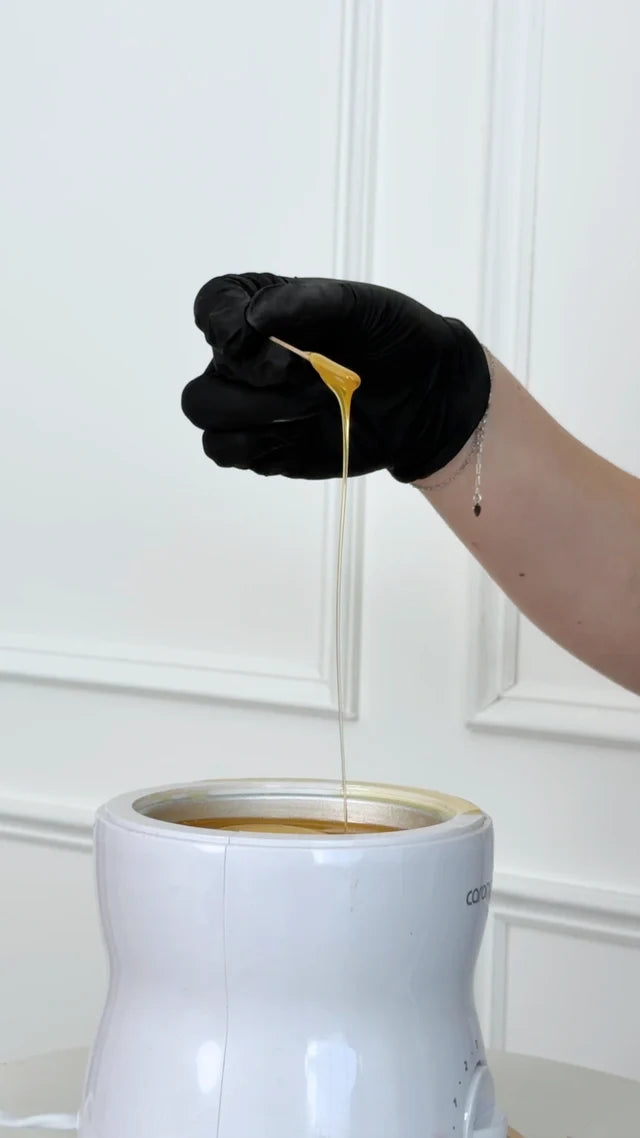
NSW Health’s beauty treatment guidance states that if wax is used for hair removal, the wax and any instrument used to apply the wax must be disposed of after completing the procedure, with no double dipping.
Hygiene and Safety in PMU and Cosmetic Tattoo Training
PMU and cosmetic tattoo training require extra safety awareness because services may involve skin, pigment, healing and infection control. This can include ombré brows, powder brows, nano hair strokes, combination brows, lip blush and eyeliner tattoo training.
Students interested in PMU or cosmetic brow tattoo training can explore the Ultimate Cosmetic Brow Tattoo course. The course page references machine techniques, brow mapping, colour theory, skin anatomy, consultations, hygiene, aftercare, retention and business development.
PMU students should learn:
| PMU Hygiene or Safety Area | Why It Matters |
| Skin penetration awareness | Helps students understand why infection control is serious |
| Sterile and single-use item awareness | Helps reduce contamination risk where required |
| Sharps handling | Important where needles or sharps are used |
| Pigment and product handling | Helps students work carefully with products |
| Client consultation | Helps identify suitability questions and expectations |
| Consent and records | Supports clear communication |
| Aftercare and healing education | Helps clients understand post-treatment care |
| Local requirements | Helps students check council, NSW Health and insurance guidance |
NSW Health skin penetration guidance explains that skin penetration procedures are subject to public health requirements, and authorised officers may visit skin penetration businesses for routine inspections or to investigate incidents.
This information is general and does not replace advice from a qualified trainer, NSW Health, local council, insurer or relevant authority.
Hygiene and Safety in Makeup and Teeth Whitening Training
Makeup students should learn product hygiene, brush cleaning, disposable applicators, skin consultation and how to avoid cross-contamination with shared products. Teeth whitening students should learn consultation, clean service setup, product directions, professional boundaries and when a client should seek dental advice.
Students comparing add-on services can explore the Teeth Whitening Course. Lash & Brow Avenue’s teeth whitening course page references treatment protocols, hygiene standards, client consultations and aftercare as course topics.
For teeth whitening, students should be especially careful not to diagnose oral conditions or make dental claims. Product directions, legal requirements, supplier guidance and insurance should be checked before offering services.

What Should Students Learn About Cleaning, Disinfection and Sterilisation?
Beauty students should understand that cleaning, disinfection and sterilisation are not the same thing.
| Term | Simple Meaning | Student Example |
| Cleaning | Removing visible dirt, residue or product | Cleaning a bench before setting up |
| Disinfection | Reducing germs on suitable surfaces or tools | Disinfecting non-single-use tools where appropriate |
| Sterilisation | A higher-level process used where required for certain tools and procedures | Relevant for some skin penetration tools or equipment |
| Single-use disposal | Throwing away items that must not be reused | Disposable applicators, some wipes, some needles or sharps where relevant |
Students should follow course instructions, product labels, supplier directions and NSW Health guidance where relevant. For skin penetration procedures, the requirements may be more serious than for non-invasive beauty services.
What Should Students Learn About Product Safety?
Product safety is part of professional beauty training. Students should learn how to read product directions, check expiry dates, avoid cross-contamination and understand that products are not suitable for every client.
Product safety includes:
| Product Safety Habit | Why It Matters |
| Reading labels | Helps students use products correctly |
| Checking expiry dates | Helps avoid using old or unstable products |
| Clean dispensing | Helps reduce contamination |
| Correct storage | Helps protect product quality |
| Patch testing guidance, where required | Helps students follow course and supplier instructions |
| Avoiding mixed product misuse | Helps students avoid unsafe combinations |
| Recording products used | Helps with future client notes where relevant |
Students should never guess with adhesives, tints, dyes, lamination solutions, whitening products, pigments or skin-related products. If unsure, ask a trainer or supplier and check current guidance.
💡 Helpful insight: Product knowledge is a safety skill. Knowing what a product does, when not to use it and how to store it can protect both the client and the student.
What Should Students Learn About Client Consultation and Aftercare?
Consultation and aftercare are part of hygiene and safety because they help students make better decisions before and after the service.
A consultation helps students ask about:
| Consultation Area | Why It Matters |
| Client goals | Helps understand what the client wants |
| Previous reactions | Helps identify sensitivity concerns |
| Recent treatments | Helps check whether a service may need caution |
| Skin, eye or oral concerns | Helps decide whether to pause or refer |
| Lifestyle | Helps match the service to aftercare expectations |
| Aftercare commitment | Helps clients understand their role |
| Expectations | Helps avoid unrealistic promises |
Aftercare should be explained clearly before the client leaves. Students should avoid promising no irritation, no sensitivity, perfect retention, exact healed PMU results or guaranteed outcomes.
How Should Online Beauty Students Practise Hygiene at Home?
Students studying through online beauty courses Australia should treat home practice seriously. Online learning can offer flexibility, but students still need a clean practice area, correct tools, product awareness and careful review.
Online beauty students should:
| Home Practice Habit | Why It Helps |
| Set up a clean surface | Helps create a professional practice habit |
| Separate clean and used tools | Helps avoid contamination |
| Use disposables correctly | Helps students practise safer routines |
| Follow course guidance | Keeps practice aligned with training |
| Avoid practising on unsuitable people | Helps protect friends, family or models |
| Record questions | Helps students seek support where available |
| Store products safely | Helps protect product quality |
| Practise aftercare explanations | Helps build client communication confidence |
Online training is not a shortcut. Students still need practice, feedback where available, hygiene awareness and realistic expectations.
What Should Students Ask Before Enrolling in a Beauty Course?
Before choosing a beauty course near me, beauty training Liverpool NSW, beauty course Sydney or online beauty training Australia, students should ask practical hygiene and safety questions.
| Question | Why It Helps |
| Does the course teach hygiene and safety practices? | Confirms whether safety is part of training |
| Does it include client consultation? | Helps students understand suitability checks |
| Does it teach aftercare? | Helps students support clients after service |
| Does it explain contraindications? | Helps students know when to pause |
| Are tools, kits or products included? | Helps students prepare without assuming |
| Are cleaning or product handling steps covered? | Helps build safer habits |
| Is this course suitable for beginners? | Helps students choose the right level |
| What completion document is provided? | Helps clarify what students receive |
| What should I practise after training? | Helps students continue building confidence |
| Should I check insurance or council requirements? | Important before offering services |
Students can submit a course enquiry form to ask which course may suit their goals and whether current course details include the hygiene topics they need.
What Should Salon Owners and Future Business Owners Know?
Salon owners and future beauty business owners should understand that hygiene and safety do not end after training. They become part of everyday business systems.
Business owners may need to think about treatment room design, cleaning schedules, waste handling, record keeping, staff training, insurance, council requirements and client forms.
The Business.gov.au guide to starting a business explains that businesses may need to consider licences, permits, tax and insurance, including when running a business from home.
Business hygiene systems may include:
| Business Area | Why It Matters |
| Cleaning procedures | Helps maintain a professional workspace |
| Staff training | Helps keep service standards consistent |
| Product storage | Helps protect product quality and safety |
| Client records | Helps document consultation and aftercare |
| Insurance checks | Helps protect the business and clients |
| Council checks | Some services and premises may have obligations |
| Incident procedures | Helps respond if something goes wrong |
| Regular review | Helps improve systems over time |
Training can support a business pathway, but it does not guarantee clients, bookings, income, employment or business success.
Common Hygiene and Safety Mistakes Beginners Should Avoid
Reusing Single-Use Items
If an item is single-use, students should not clean it and use it again. Ask your trainer which items are single-use in your course.
Skipping Consultation
A service should not begin without understanding the client’s goals, sensitivities and suitability questions.
Double Dipping in Wax
NSW Health guidance for beauty treatment businesses states that wax and any instrument used to apply wax must be disposed of after completing the procedure when wax is used for hair removal.
Touching Clean Tools With Contaminated Hands
Students should learn when to wash hands, change gloves or pause to reset the workspace.
Not Explaining Aftercare
Aftercare helps clients understand their role after lash, brow, PMU, cosmetic tattoo, teeth whitening or other beauty services.
Using Products Without Reading Directions
Products should be used according to training guidance and supplier instructions. This is especially important for adhesives, tints, dyes, lamination solutions, pigments and whitening products.
Offering Services Before Checking Requirements
Before offering services, students should check training guidance, insurance, local council requirements and relevant health or safety information.
In Summary
Hygiene and safety practices beauty students should learn include hand hygiene, clean workstation setup, tool care, single-use item disposal, product hygiene, consultation, sensitivity awareness, aftercare, record keeping and professional boundaries.
Lash students need strong eye-area hygiene. Brow students need safe waxing, tinting and skin-contact habits. Makeup students need product and brush hygiene. Teeth whitening students need oral safety boundaries. PMU and cosmetic tattoo students need deeper infection control, skin penetration, sharps, pigment, healing and aftercare awareness.
For students in Liverpool, South West Sydney, Sydney, NSW, Australia or online, Lash & Brow Avenue Academy can help aspiring beauty artists compare lash, brow, cosmetic tattoo, PMU, teeth whitening and online beauty courses Australia with client safety in mind.
Frequently Asked Questions
What hygiene and safety practices should beauty students learn?
Beauty students should learn hand hygiene, clean setup, tool cleaning, product hygiene, safe disposables use, consultation, aftercare, waste handling and when to pause or refer.
Why is hygiene important in beauty training?
Hygiene helps reduce contamination and infection risks. It also helps students build professional habits before working with clients.
What infection control should lash students learn?
Lash students should learn clean eye-area setup, tool hygiene, product handling, consultation, sensitivity awareness and aftercare for lash extensions or lash lift and tint.
What hygiene should brow students know?
Brow students should learn clean waxing habits, no double dipping, tint and dye safety, lamination product awareness, skin consultation and aftercare.
What safety practices matter in PMU training?
PMU students should learn skin penetration awareness, infection control, sharps handling, pigment safety, consultation, consent, aftercare and when to check council or NSW Health guidance.
Do online beauty courses teach hygiene and safety?
Some online beauty courses may include hygiene and safety topics, but inclusions vary. Students should check the current course page before enrolling.
Can hygiene training make me client ready straight away?
No. Hygiene training supports client safety, but client readiness also depends on practice, technique, consultation, aftercare knowledge, support and meeting business or local requirements.
Where can I learn beauty hygiene and safety practices in Sydney?
Students can explore Lash & Brow Avenue Academy, compare current beauty courses or submit a course enquiry form.
Explore Hygiene-Focused Beauty Training With Lash & Brow Avenue Academy
If you are comparing beauty training, choose a course that helps you understand the full service journey, not only the final result. Hygiene, consultation, aftercare and safety habits are part of becoming a thoughtful beauty artist.
Lash & Brow Avenue Academy can help students in Liverpool, South West Sydney, Sydney, NSW and online compare lash, brow, cosmetic tattoo, PMU and beauty training pathways. You can browse current beauty courses, explore online beauty courses Australia or submit a course enquiry form to ask which course may suit your next step.